

 I had the marvelous opportunity of attending the ASCD Empower18 Conference in Boston, Massachusetts this week. It was my first time to attend an ASCD conference and I found it to be the bougie of large educational conferences. With keynotes like Jill Biden, Manny Scott, and
  Col. Colin Powell- the level of importance placed on the attendee feels superb.Walking around and see the the expertise level of those sharing in the breakout sessions was amazing and made it very hard to choose where to attend! I brought back a ton of good stuff and it was nice to get out of my edtech conference silo as well. What I enjoyed the most about this conference is that it didn't just focus on best practice, the students, and change but there were lots of sessions that focused on you as an educator. One day I had a really neat conversation with a "teacher of the year" from Montana that was suffering from burnout and said she was ready to go back empowered. That's huge and I have been there. It was good to see that focus being fleshed out in a really stressful profession.
So here are my key takeaways from ASCD #Empower18:
- My role changes at my school next year, I will be the Director of Instructional Technology and Innovation. One of the immediate realizations I had during the first conversation at my school about the role of Innovation is that it felt soft. I worried about that because to me the innovation side of the job is what I am most excited about. I've been praying about how to best move forward with that part of my role and BOOM! my first session was with Dave Faulkner, "Unleashing Teacher-Led Innovation in Schools: Practical Tools That Have Real Impact." I walked out of the room inspired and with his book co-written by Aaron Tait called Edupreneur: Unleashing Teacher-Led Innovation In Schools. Get ready to dream CCS, I've got a plan once I have some funding!
- I really enjoyed hearing Jill Biden speak. Did you know that even as Second Lady of the USA she continued to be an English professor at a community college full time? She said, "Being a teacher is not what I do, it's who I am." That resonated deeply with me as I try to balance between my different roles in life. I am thankful for her modeling of staying true to her calling while wearing many hats. She empowered me as a woman.
- My next session was TECH-DOK: An In-Depth Look At Technology Through the Depth of Knowledge Lens. I walked away with this wonderful graphic below. If you know me, you know I'm not a big fan of the SAMR model. This has the potential to help teachers think deeper:

- I also had the opportunity to think about myself a bit by attending a session for potential writers. I am hoping sitting in this session will spur me on to keep writing my book idea. I will say that I have already come back home and started fleshing out potential opportunities in regards to this.
 When I realized Heidi Hayes Jacobs was speaking in a breakout session I had to attend! She spoke at Covenant College a couple of years back and the conversations that were spurred from that brief conference led to good changes and framework for our school. This time she spoke with Marie Alcock on the topic of "A New Job Description: The Capacities of a Contemporary Teacher and Professional Learner." I found the conversation fascinating as we looked at how the role and definition of a teacher has shifted out from under the profession as years have gone by. No wonder the change is hard for so many teachers, the expectations have changed before their eyes and it wasn't what many of them signed up for! My favorite quote of the day that lays a framework for the ever changing landscape of education was by Marie Alcock, "70 years ago less than 20% of students went on to higher ed, today 60-70% go on. We've moved from a system of sorting students to being responsible to teach all students and meet their needs. The role of the teacher has shifted." In every decade we can see how that has changed. Perhaps it is time to admit this, ruminate on it, give teachers some moaning minutes and then empower them to adapt and adopt. What does this look like is my question moving forward.
 - The segway from the above session to "Accelerating the Curve for Young School Leaders" by 2016 ASCD Emerging Leaders: Kyle Hamstra, Kerry Gallagher, Natalie Franzi, and Amy MacCrindle was an easy one as I had already been focused on how do I support teachers better.
 These young leaders shared good stuff in how to move into leadership as well as how do leaders support upcoming leaders? I loved the format of their session with give and take, embedded movement and time for feedback that might have actually been an introduction to a new tech tool for some of the attendees (Flipgrid).
 - As always, it's not a good session if I don't walk away with things to immediately look at that have the potential for implementation. My "I need to look deeper at" list includes:


- Open-Up Resources https://im.openupresources.org/ (FREE)
- Stay in contact with South Carolina educator, Donna Teuber @dteuber as I grow into my new role next year.
- Geographic Information Systems for Schools http://www.esri.com/industries/education - includes GeoInquiries and resources for multiple subject areas (FREE)
- Look deeper at Go Guardian Teacher Training so that our teachers can use this tool in effective ways in their classroom. https://training.goguardian.com/p/goguardian-teacher-training
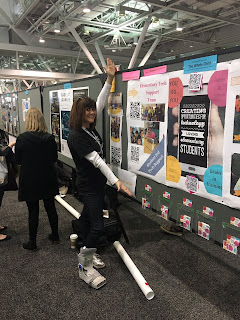
I am still kind of shocked that I was chosen to present a poster session at ASCD Empower18 but I will say the connections I made through that experience would have made the trip worth it all on their own. AND, I always love the opportunity to share about the great things happening with technology at our school!


.PNG)